Looking for the latest information on 9 Understanding Experimental Data? We've researched comprehensive data, records, and insights about 9 Understanding Experimental Data.
Main Features
Explore the key sources for 9 Understanding Experimental Data.
Developments
Stay updated on 9 Understanding Experimental Data's newest achievements.
Experimental Design Part 1 - EVERYTHING you NEED to know 😎
Data Collection Methods: Surveys, Experiments, Observations Explained
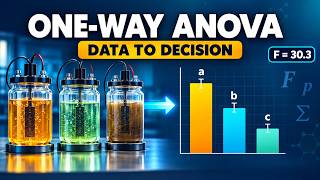
One-Way ANOVA Explained: From Experimental Data to Decision.
15 min Experimental Design 📈 KEYS 🔑 to success!
Experimental Research (Explained in 3 Minutes)
Experimental Design Part THREE - CCD, Experimental Analyses, Internal vs External Validity
Maximise Marks on Experimental Data Analysis #alevelbiology #justify #variables #evaluate #conclude
D 9 Apply single case experimental designs
Class 9 Physics Chapter 9 Topic 9.3 | Scientific Method | NBF Federal Board | PhysiToons
Biology: Controlled Experiments
Detailed Analysis
Data is compiled from public records and verified media reports.
Last Updated: October 31, 2026
Future Outlook
For 2026, 9 Understanding Experimental Data remains one of the most searched-for information profiles. Check back for the latest updates.
Disclaimer: Disclaimer: All information is compiled from publicly available data, media reports, and analysis. Actual details may vary.
Summary
MIT 6.0002 Introduction to Computational Thinking and We may be living IN a simulation (according to Elon Musk and many others), but that doesn't mean we don't need to perform ... This video briefly introduces the basic concepts, terminology and processes underlying the creation of robust SLAY ⚔ the exam with our Behavior Beastslayer course! The most fun and engaging way to pass the BCBA exam! Try for free ... Try two mini mocks for FREE right meow!! understandingbehavior.learnworlds.com/course/minimocks ... BEASTSLAYER FREE TRIAL understandingbehavior.learnworlds.com/course/beastslayer SLAY ⚔ the exam with our ... Learn Topic 9.3 "Scientific Method" from Chapter This animation describes the process of conducting a controlled