Looking for the latest information on Clarius Feature Annotations? We've compiled comprehensive data, records, and insights about Clarius Feature Annotations.
Main Features
Explore the main sources for Clarius Feature Annotations.
Latest News
Stay updated on Clarius Feature Annotations's newest achievements.
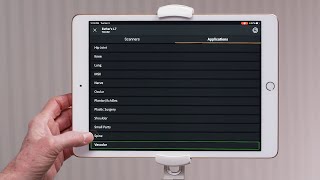
Clarius Feature: Selecting an Application Preset
Hands Free Ultrasound: How to Use Clarius Voice Controls
Clarius Feature: Multiple Gestation Workflow
Clarius Feature: TI-RADS Workflow
Clarius App 101 - Start Scanning Today!
Clarius Feature: Pro Tips
Clarius Feature: Exporting PDF Reports
Clarius Feature: Ending an Exam and Uploading to the Cloud
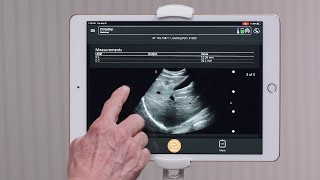
Clarius Feature: Measurements
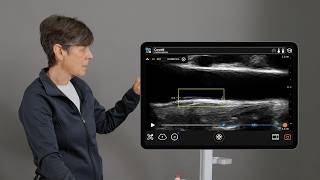
How to Use Clarius Auto IMT for Carotid Artery Ultrasound
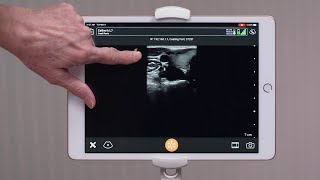
Clarius Feature: Changing Depth
Expert Insights
Data is compiled from public records and verified media reports.
Last Updated: October 29, 2026
Future Outlook
For 2026, Clarius Feature Annotations remains one of the most talked-about information profiles. Check back for the newest reports.
Disclaimer: Disclaimer: All information is compiled from publicly available data, media reports, and analysis. Actual details may vary.
Summary
The most important thing to do before imaging is to select the correct application. Not selecting the correct application can make ... Operating an ultrasound system during a procedure shouldn't require an extra set of hands or breaking your sterile field. All OB/Gyn and Early OB workflows now allow for the documenting and measurement of multiple gestations. Through an intuitive ... The Thyroid preset included on most This video demonstrates how to customize You can easily do measurements on a stored image before ending an exam. Swipe to the bottom of the patient demographic page ... Used to measure the area of interest or depth from skin line. Carotid Intima-Media Thickness (IMT) is a key biomarker for subclinical atherosclerosis, vascular age, and overall cardiovascular ... Adjusting depth is an important step in optimizing your image. If the depth is too shallow pathology may be outside the field of view ...