Looking for the latest information on Interpretable Machine Learning Models? We've compiled comprehensive data, records, and insights about Interpretable Machine Learning Models.
Main Features
Explore the primary sources for Interpretable Machine Learning Models.
History
Stay updated on Interpretable Machine Learning Models's newest achievements.
Interpretability: Understanding how AI models think
The Dark Matter of AI [Mechanistic Interpretability]
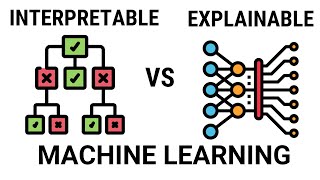
Interpretability in Machine Learning | Machine Learning Interpretability
#047 Interpretable Machine Learning - Christoph Molnar
Interpretable AI: Stop Explaining Black Box Machine Learning Models - with Cynthia Rudin
An Introduction to Mechanistic Interpretability – Neel Nanda | IASEAI 2025
25. Interpretability
Stanford Seminar - ML Explainability Part 1 I Overview and Motivation for Explainability
Interpretable Machine Learning - A Brief History, State-of-the-Art and Challenges
Interpretable machine learning (part 1): Peeking into the black box
Deep Dive
Data is compiled from public records and verified media reports.
Last Updated: October 30, 2026
Future Outlook
For 2026, Interpretable Machine Learning Models remains one of the most searched-for information profiles. Check back for the latest updates.
Disclaimer: Disclaimer: All information is compiled from publicly available data, media reports, and analysis. Actual details may vary.
Summary
In this video, I will be discussing about the importance of A surprising fact about modern large language Hi everyone my name is jojo jang from euler medicine today i will present our recent work on Take your personal data back with Incogni! Use code WELCHLABS at the link below and get 60% off an annual plan: ... In this video, we explore the concept of Christoph Molnar is one of the main people to know in the space of How can we reverse engineer what a neural network is doing? In this IASEAI '25 session, An Introduction to Mechanistic ... In the first segment of the workshop, Professor Hima Lakkaraju motivates the need for This is a talk for the paper with the same name: arxiv.org/abs/2010.09337 If you want to learn more about specific methods ... How can we use the language of causality to understand and edit the internal mechanisms of AI