Looking for the latest information on Quick Bit Data Compression? We've compiled comprehensive data, records, and insights about Quick Bit Data Compression.
Main Features
Explore the main sources for Quick Bit Data Compression.
Recent Updates
Stay updated on Quick Bit Data Compression's latest milestones.
Compression: Crash Course Computer Science #21
How Computers Compress Text: Huffman Coding and Huffman Trees
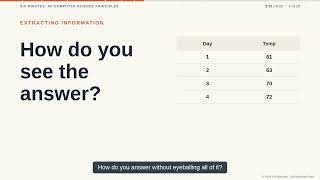
Data Compression and Extracting Information | Six Minutes: AP Computer Science Principles, Part 15
Data compression | Why is ClickHouse fast (Part 5)
Data Compression - Weissman Score
these compression algorithms could halve our image file sizes (but we don't use them) #SoMEpi
Compression - Computerphile
Information Theory for Beginners: Bits, Entropy & Data Compression Explained!
Every Data Compression Method Explained
How Data Compression Works Explained Slowly (For Sleep)
How Compression Works: Shrinking Files Without Losing a Single Bit
Deep Dive
Data is compiled from public records and verified media reports.
Last Updated: October 31, 2026
Conclusion
For 2026, Quick Bit Data Compression remains one of the most searched-for information profiles. Check back for the latest updates.
Disclaimer: Disclaimer: All information is compiled from publicly available data, media reports, and analysis. Actual details may vary.
Summary
Welcome to the MCS100 series, where I will explain 100 random topics in Math and Computer Science over 100 days. Today is ... Get your first two months of CuriosityStream free by going to curiositystream.com/crashcourse and using the promo code ... Computers store text (or, at least, English text) as eight Six Minutes: AP Computer Science Principles, Part 15: This video explores how ClickHouse implements Weissman Score, an efficiency metric used for the lossless an explanation of the source coding theorem, arithmetic coding, and asymmetric numeral systems this was my entry into Dive into the fascinating world of Information Theory! This video provides a beginner-friendly introduction to the core concepts ... How can a photograph become twenty times smaller while looking almost the same? How can a ZIP file preserve every single