Looking for the latest information on Reactivity Explained? We've gathered comprehensive data, records, and insights about Reactivity Explained.
Key Details
Explore the key sources for Reactivity Explained.
History
Stay updated on Reactivity Explained's newest achievements.
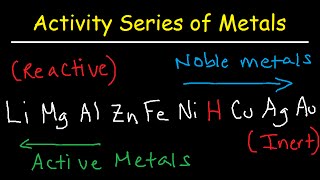
Activity Series of Metals & Elements - Chemistry
Reactivity of Metals | Cambridge Checkpoint Science Book 7 | Reactivity Series Explained
Reactivity of Alkali Metals with Water
Reactivity Series of Metals | Environmental | Chemistry | FuseSchool
How can I determine the reactivity of an element
Making Predictions Using Reactivity Series | Reactions | Chemistry | FuseSchool
Chemical Reactivity | Explained by a Ph.D. Chemist #chemistry #science #education
The Activity Series (Explanation & Examples)
Reactivity series explained
Reactivity of Metals Lab video
KS3 Chemistry - The Reactivity Series & Metal Reactions
Full Guide
Data is compiled from public records and verified media reports.
Last Updated: October 30, 2026
Final Thoughts
For 2026, Reactivity Explained remains one of the most searched-for information profiles. Check back for the newest reports.
Disclaimer: Disclaimer: All information is compiled from publicly available data, media reports, and analysis. Actual details may vary.
Summary
In this short series, we look at what makes certain elements really A look at how web frameworks are implementing our website cognito.org/ ⭐️ *** WHAT'S COVERED *** 1. The This chemistry video tutorial explains the activity series of metals and elements such as hydrogen. It shows you how to tell if a ... Lithium, Sodium, and Potassium metals reacting with water to produce hydrogen gas, dissolved metal ions, hydroxide ions, and ... In this video we'll be looking at zinc(Zn), copper (Cu), potassium (K), calcium (Ca), iron (Fe), lithium (Li), magnesium (Mg) and ... Get the answer to this and any other academic question at enotes.com/homework-help/ Learn the basics about making predictions using the Dr. Bedard(Ph.D.) delves into chemical Five different metals are placed in hydrochloric acid in order to rank their