Looking for the latest information on The Difference With Demandscience? We've gathered comprehensive data, records, and insights about The Difference With Demandscience.
Key Details
Explore the main sources for The Difference With Demandscience.
History
Stay updated on The Difference With Demandscience's latest milestones.
An Exclusive Interview with Pete Cannone, Chairman & CEO, of Demand Science
DemandScience Unveils a Reimagined Ionic™ for the Post-Platform Era of Performance Marketing
Webinar: Unlock the Power of AI-Driven Marketing Insights with INSIGHTS by DemandScience
DemandScience Demystifies Data Privacy and Compliance for B2B Marketers
Excelling in B2B Lead Generation: Harnessing the Power of the Scientific Method
DemandScience — Origin Story
A Match Made in Heaven: First-Party Data & ABM Strategies Part 1
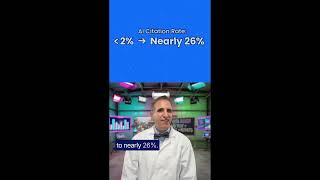
From 2% to 26% AI Visibility in Weeks (Here's How) | Bill Why The Marketing Guy EP. 4
Full Guide
Data is compiled from public records and verified media reports.
Last Updated: October 30, 2026
Future Outlook
For 2026, The Difference With Demandscience remains one of the most talked-about information profiles. Check back for the newest reports.
Disclaimer: Disclaimer: All information is compiled from publicly available data, media reports, and analysis. Actual details may vary.
Summary
Get the B2B data, leads and products you need to get to your goals faster. Find out more: bit.ly/DemandScience_YT ... Step into the world of Barry Harrigan, Co-founder of Join us for a conversation with Chairman & CEO of B2B marketers are drowning in data but still struggling to get real, actionable intelligence from their campaigns. Traditional ... If you are a B2B marketing professional responsible for demand generation at your company, you'll want to watch this. Listen to ... Welcome to a thought-provoking interview featuring Carrie Leary, a distinguished expert from First-party data and account-based marketing: You know both have a purpose in your B2B campaigns. But did you know they ... Throwing everything at AI visibility doesn't tell you what works. We built structured content clusters instead. Results: 2% to 26% ...