Looking for the latest information on Tukey S Hsd In Python Stats 20? We've compiled comprehensive data, records, and insights about Tukey S Hsd In Python Stats 20.
Core Information
Explore the main sources for Tukey S Hsd In Python Stats 20.
Developments
Stay updated on Tukey S Hsd In Python Stats 20's latest milestones.
Studentized Range Ristribution for Tukey's HDS Stats with Python 19
Anova and Tukey Tests in Python for Data Science!
How to Perform Tukey's HSD Post Hoc Test
one way ANOVA in python, Tukey's HSD for multiple comparison
Follow Up ANOVA – Tukey’s HSD Post Hoc Test (12-5)
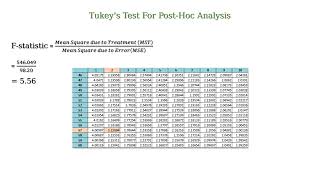
Tukey’s Test For Post-Hoc Analysis
Tukey Method - One-Way ANOVA
Tukey's HSD - Intro to Inferential Statistics
ANOVA 5 Multiple Comparisons Using Tukey's HSD
Two-Way ANOVA in python, Tukey's HSD test for multiple comparisons
PYTHON : What statistics module for python supports one way ANOVA with post hoc tests (Tukey, Scheff
Expert Insights
Data is compiled from public records and verified media reports.
Last Updated: October 31, 2026
Future Outlook
For 2026, Tukey S Hsd In Python Stats 20 remains one of the most talked-about information profiles. Check back for the latest updates.
Disclaimer: Disclaimer: All information is compiled from publicly available data, media reports, and analysis. Actual details may vary.
Summary
Our website: intrepidprotoworks.com Github: github.com/JacobatIPW/ Unlock the Power of TukeyHSD in This video shows how to conduct a I show how to perform Anova One Way (one independent variable) on three or more groups of values, and how to do a In this video I walk through an example of how to perform One way ANOVA is used for checking equality of more than two population means. Assumptions for one way ANOVA are ... When an ANOVA is significant, you need a -up test to tell which group is different from which other groups. For our ... This video is part of an online course, Intro to Inferential This video demonstrates how to conduct multiple comparisons using Two way ANOVA without interaction is used when there is only one observation for each combination of levels or groups ...