PCA, SVD, t-SNE and UMAP: Dimensionality Reduction Explained Visually
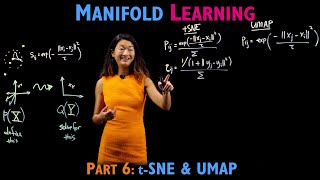
Nonlinear manifold learning with t-SNE and UMAP
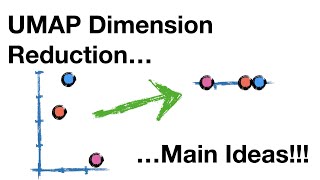
UMAP explained in 1 min - Dimensional Reduction Algorithm in 3 steps
Full Guide
Data is compiled from public records and verified media reports.
Last Updated: October 31, 2026
Future Outlook
For 2026, Umap Explained remains one of the most talked-about information profiles. Check back for the latest updates.
Disclaimer: Disclaimer: All information is compiled from publicly available data, media reports, and analysis. Actual details may vary.
Summary
In this video, I will give you an easy and practical This talk will present a new approach to dimension reduction called If you understand the main ideas of how High-dimensional data is everywhere — 784-pixel digits, 20000-gene cells — but you can't see it. In this video you will learn about three very common methods for data dimensionality reduction: PCA, t-SNE and Notes:- robosathi.com/docs/machine_learning/unsupervised/dimensionality_reduction/ A short talk about my interpretation of the Papers / Resources ▭▭▭ Colab Notebook: ... How do you squeeze a thousand features into two without losing what matters? This video builds PCA from first principles, derives ... This video introduces two popular approaches to manifold learning, t-SNE and In my last video I presented python code in COLAB for a